Location
Den Bosch
Pagina laden...
The two-year graduation track Ecology Futures focuses on how bioart and biodesign can create alternative futures. In which present-day ecological concerns are addressed.
This is a graduation track of the master of Arts in Fine Art & Design.
Ecology Futures states clearly what we stand for: not a singular future, but a plural one. Not an individual being disconnected from others, but rather an assemblage of many entities. Living, decaying, human, other-than-human, connections forming and re-forming as circumstances warrant. This alternative future needs education that draws from many domains.
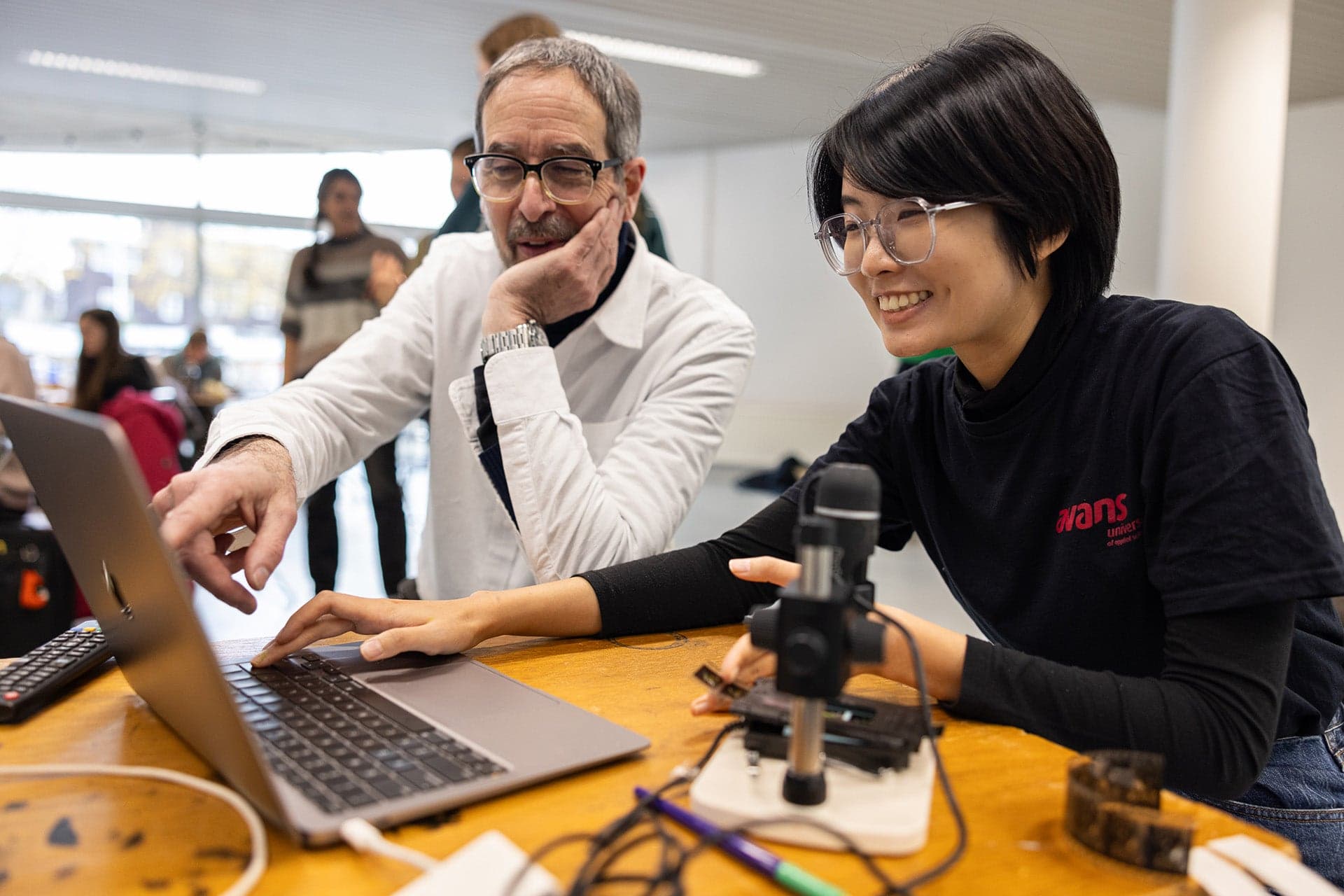
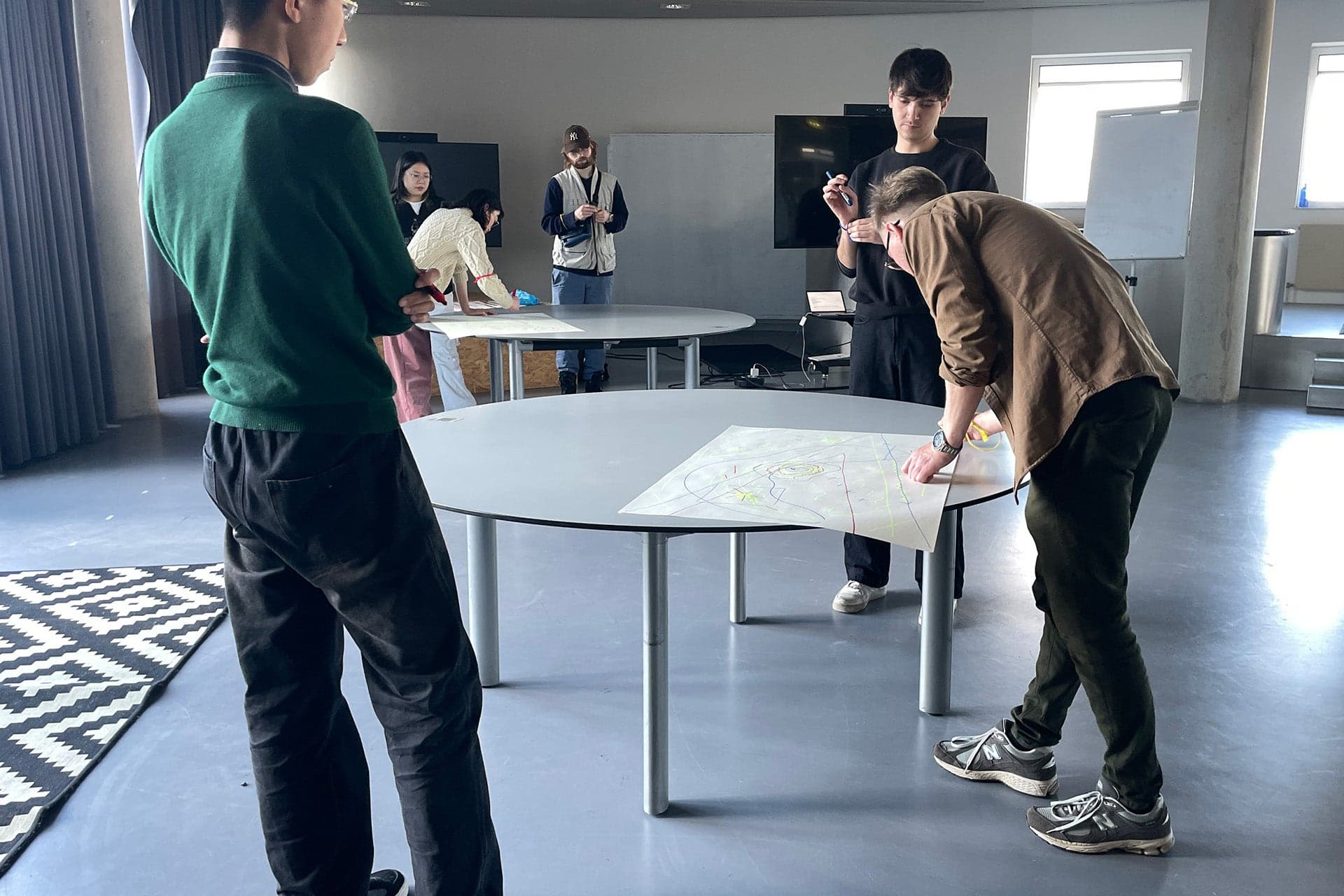
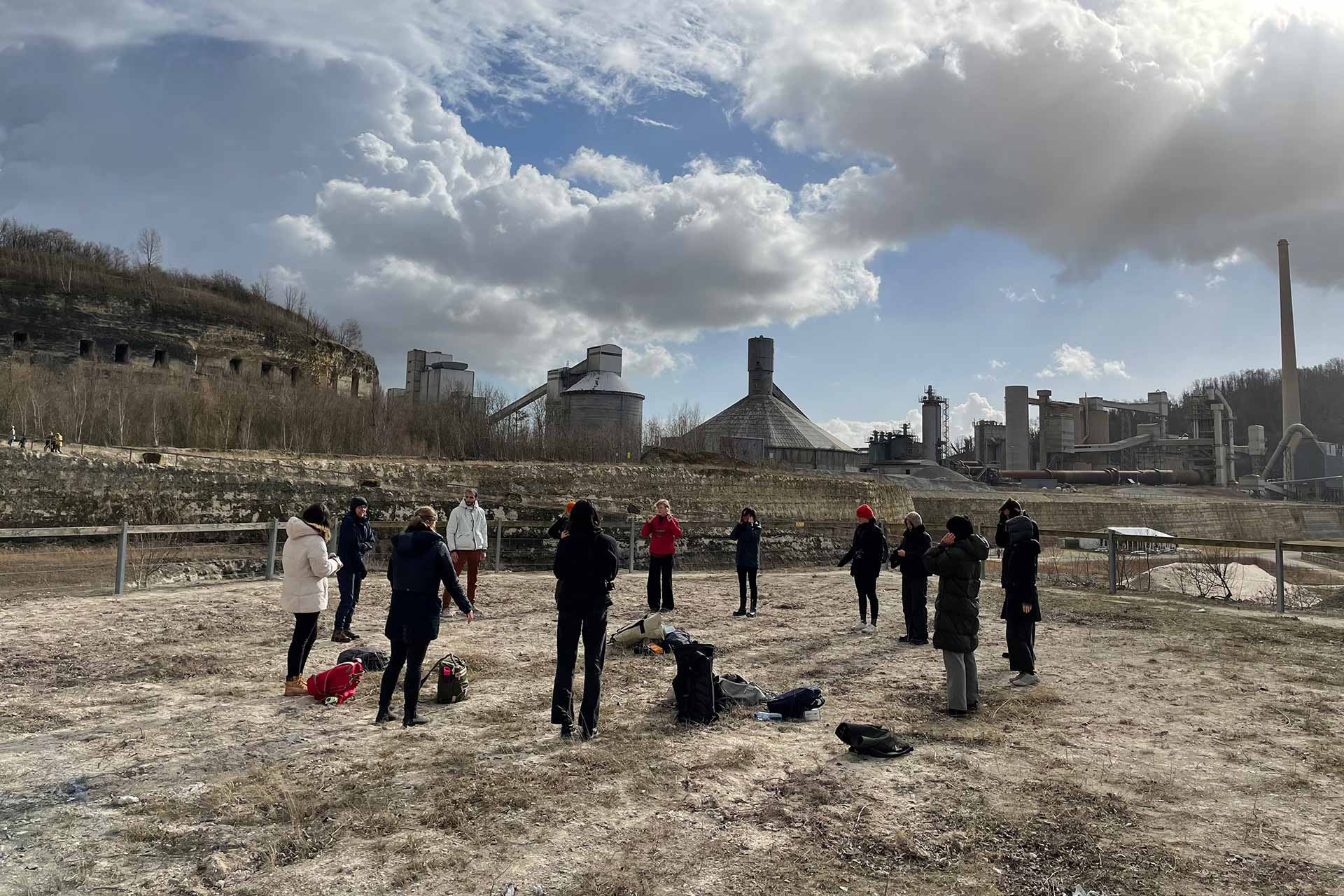
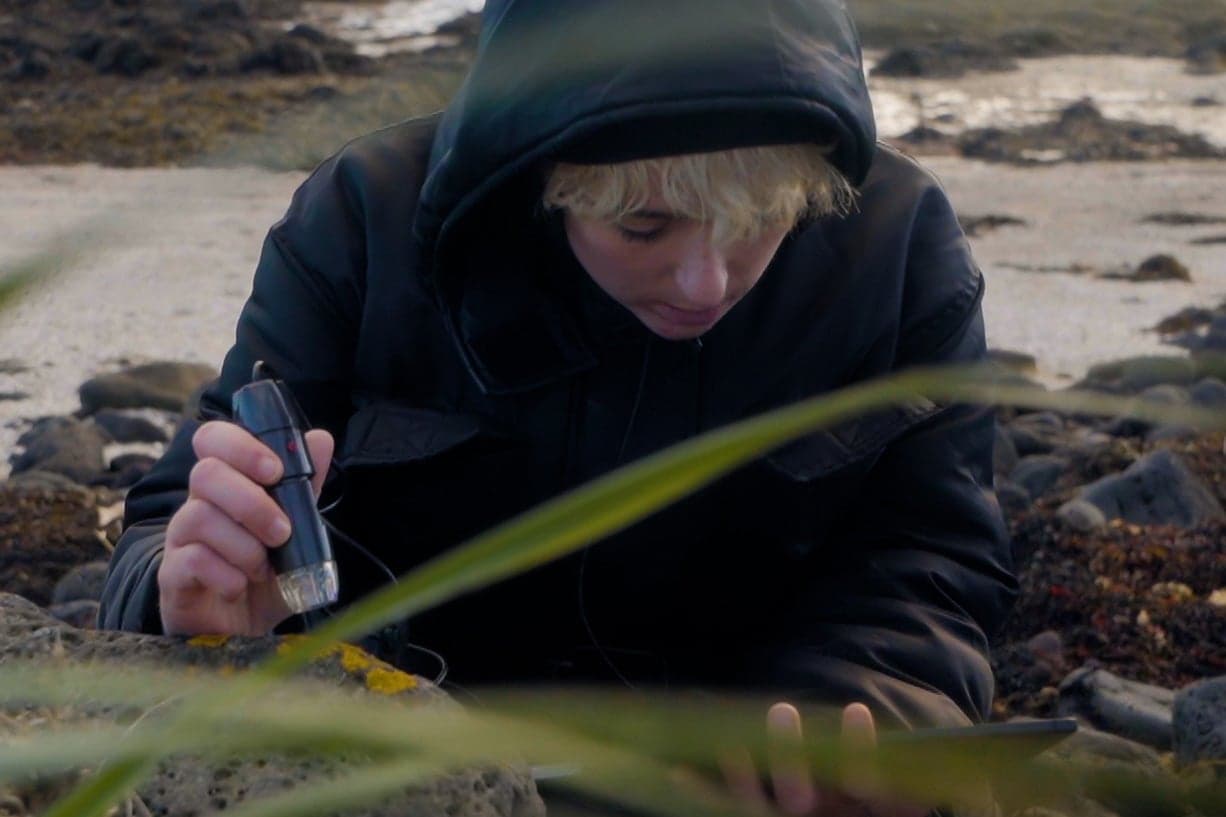
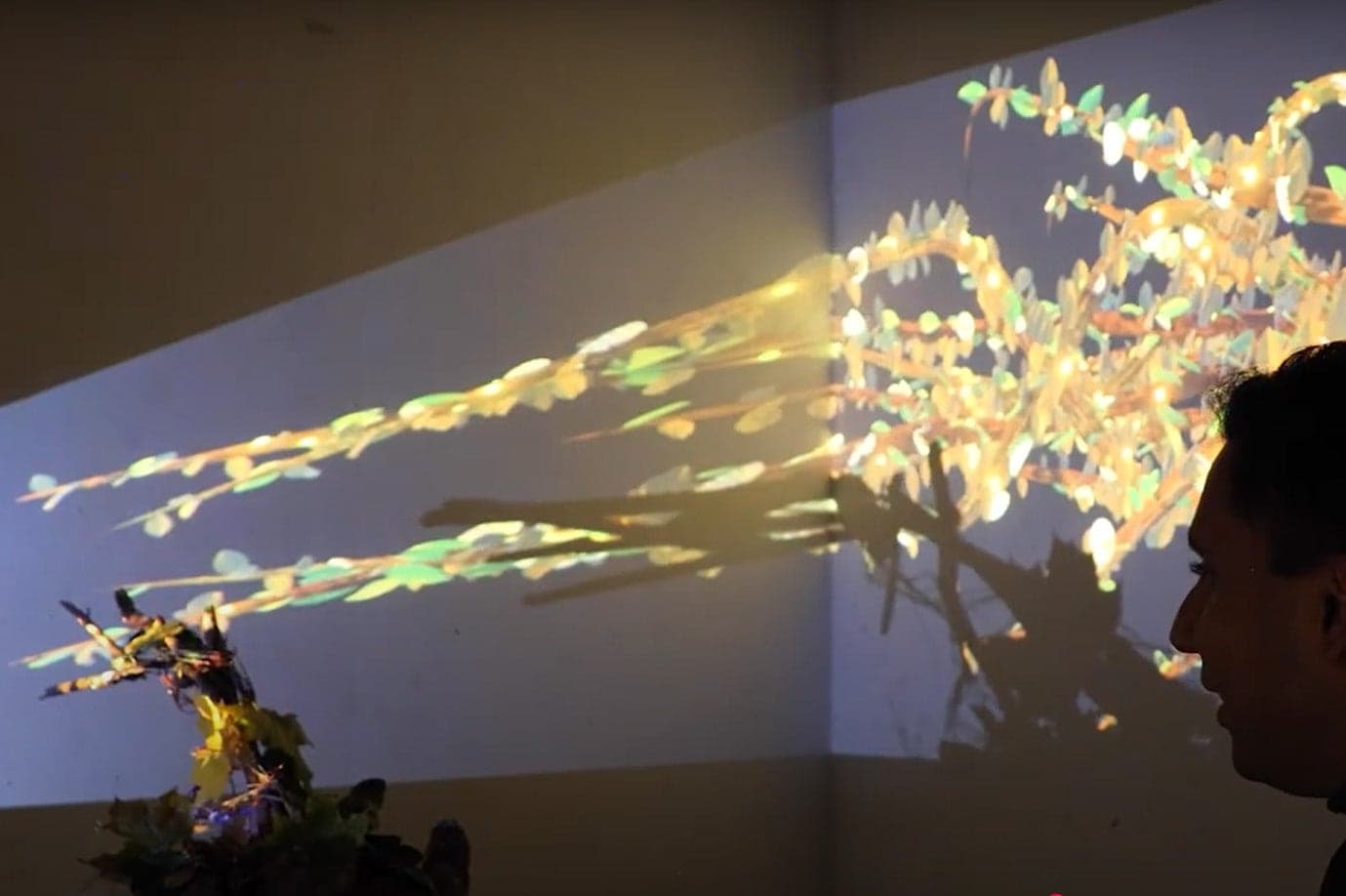
That's why Ecology Futures is trans- and multi-disciplinary. You learn how to work with living materials in a laboratory, read theoretical and historical texts that support your practice and engage with life outside the classroom through hands-on fieldwork. Manipulating the analog and the digital to realize your projects.
Your time in Ecology Futures prepares you to address difficult problems, not only related to ecology but any domain that requires the input of multiple skillsets.
You will have access to the Material Incubator Lab of the Centre of Applied Research for Art, Design, and Technology (CARADT). This is a unique feature of our programme where you develop laboratory skills that support your practice-led artistic research.


The graduation track Ecology Futures is delivered across 24 months, comprised of 4 semesters and 6 units of study. Each unit ends with an assessment correlated to the learning outcomes.
During this master programme, students from various disciplines learn how to provide meaning to the world, supported by a motivated tutor team.
In the first year you focus on developing new skills, methods of research, and setting up your research program for your artistic practice. Ecology Futures offers you modules and tutorials to explore how to contextualize, expand, and integrate your work within the professional domain. You additionally have extensive time to focus on your own research. At the end of each semester there is an assessment on your individual studio practice. All education takes place at the Avans location.
Semester 1 Context & Skills Learning
Semester 2 Co-research and External Enquiry in the Field
In the second year you focus on writing your thesis and materializing the outcomes of your research. You present your final research at the Graduation Research Hub and at the Graduation Exhibition. At the end of each semester there is a summative assessment on your Individual Studio Practice. Education takes place in a hybrid programme. It is possible to study remotely or to combine it with residencies or research activities abroad.
Semester 3 Consolidation of Practice-led Research
Semester 4 Graduation Phase

What can you become with Ecology Futures? The graduation track is trans- and multi-disciplinary and brings together the intersections of ecological studies. This allows you to forge your own path within the multiple fields of art, science, and technology after graduation.
Within the track, you are encouraged to open your mind to the entanglement of the world. As such, you might find yourself working in jobs that were unimaginable when you first started the programme.
We have had students who have had a residency with FIBER Festival, who work as an instructional assistant at the art academy in The Hague, who are preparing exhibitions for presentations at Blue City in Rotterdam, who have created self-managed artistic collaborations across Europe and who have taken their interest in the intersection of art and food into the culinary world.
We also have students who have been awarded fellowships from major organisations such as the Mondriaan Fund. Along the way, we also give you the knowledge to live and work as a professional artist and designer, which is useful to whatever future path you choose.
You work towards opening people's understandings of ecological concerns.
You develop new materials and techniques that reduce society's dependence on items made from fossil fuels.
You share your knowledge developed through your practical and theoretical work with others.
Ecology Futures is open to you if you have a practice related to the topics of our pathway. This often includes artists, designers, writers, and curators. But also sociologists, ecologists and others from the social sciences. It is expected of you that you have a willingness to open your practice to new trajectories.
Ecology Futures is open to anyone who has a practice related to the topics of our pathway. This often includes people trained as artists, designers, writers, and curators, but also may include sociologists, ecologists, and others from the social sciences and sciences.
Spoken and written is required (ie. IELTS, TOEFL or Cambridge).
These assignments are part of the preparation. You must submit the following documents via our assignment site:
You will receive the login codes for the intake dashboard after you have enrolled in Studielink. Please be aware that these assignments must be completed and uploaded before the application deadline. Only after approval of these assignments an assessment interview will be conducted.
An admissions interview via TEAMS is conducted after approval of the assignments by the admission committee. During the admission procedure we test your study motivation, research goals, artistic skills, and theoretical knowledge in regard to the specific Master program you applied for.
If you have decided to pursue this study programme you will need to register for it. Before you do, make sure you have informed yourself about our .
Please apply via our Dutch website if you are a Dutch student.
You must apply for this master's degree programme via the Studielink website. Studielink is the Dutch portal used for all educational programmes. All students studying in Netherlands use Studielink to register for their programme.
In addition to the application procedure via Studielink you must also send us several documents.
If you apply, first select the Master's program in Fine Art & Design. In the next step you choose the graduation track you want to follow. You will also receive an e-mail with instructions to upload your admission assignments: curriculum vitae, portfolio, artistic statement and research proposal.
Registering for a programme is done via Studielink. You do this by logging in with your DigiD. Requesting a DigiD takes 5 days.
Register via Studielink| Starting month | Location | Deadline |
|---|---|---|
| September | EEA | August 31, 2026 |
| September | Non-EEA | May 1, 2026 |
After application we will contact you to inform you on the further procedure.
Scholarships are much sought after nowadays: nearly every student who decides to study abroad considers applying for one. Information about scholarships specific to Avans University of Applied Sciences can be found on .
For more information please contact Student Support on +31 (0) 88 525 75 50 or via this contact form.
In the overview below you will find the tuition fee amounts that have been set for new students at Avans University of Applied Sciences.
Which of these 3 fees applies to you depends on the category you are in. In general, students from the European Economic Area (EEA) pay the statutory fee, while other students pay the institutional or non-EEA fee. Exchange students generally pay their tuition fees to their home institution and not to Avans.
Please check the tuition fees page for detailed information.
| Tarif | Year | Amount |
|---|---|---|
| Statutory fee | 2025 - 2026 | € 2.601,- |
| Institutional fee | 2025 - 2026 | € 9.949,- |
| Non-EEA fee | 2025 - 2026 | € 9.949,- |