Location
Breda

In this semester programme, you focus on providing sustainable solutions to reduce our dependence of fossil fuels and to explore the options of sustainable technologies. Thereby mitigating climate change and decreasing our dependency on other resources.
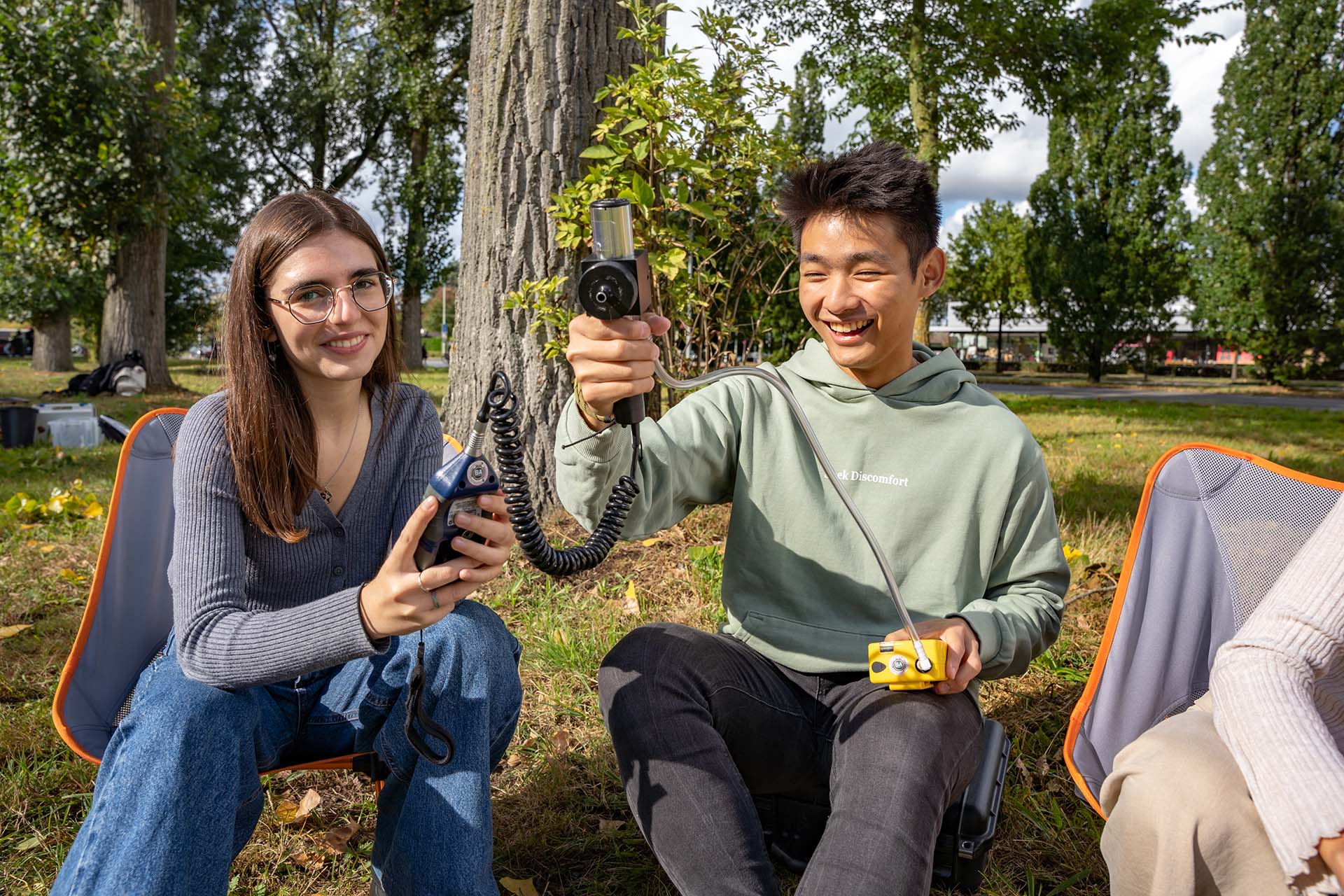
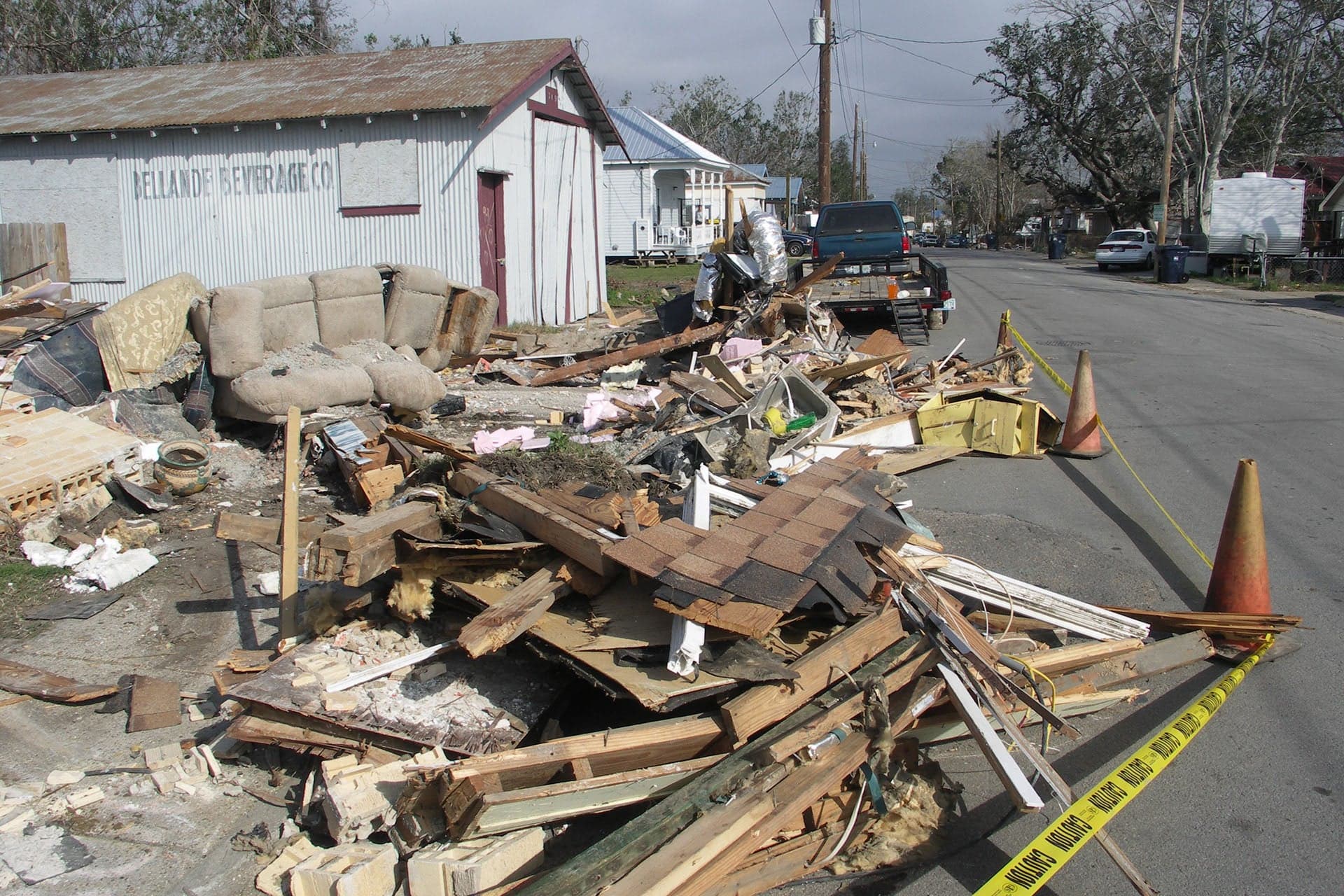
Our economic and technological system is built upon the foundation of oil, gas and coal. As we are progressively using more of these fossil fuels, we are eroding these foundations and causing climate change. In addition, international tensions have highlighted the need to become more independent of the resources of other countries. The transition to a new energy system requires sustainable solutions, now more than ever.
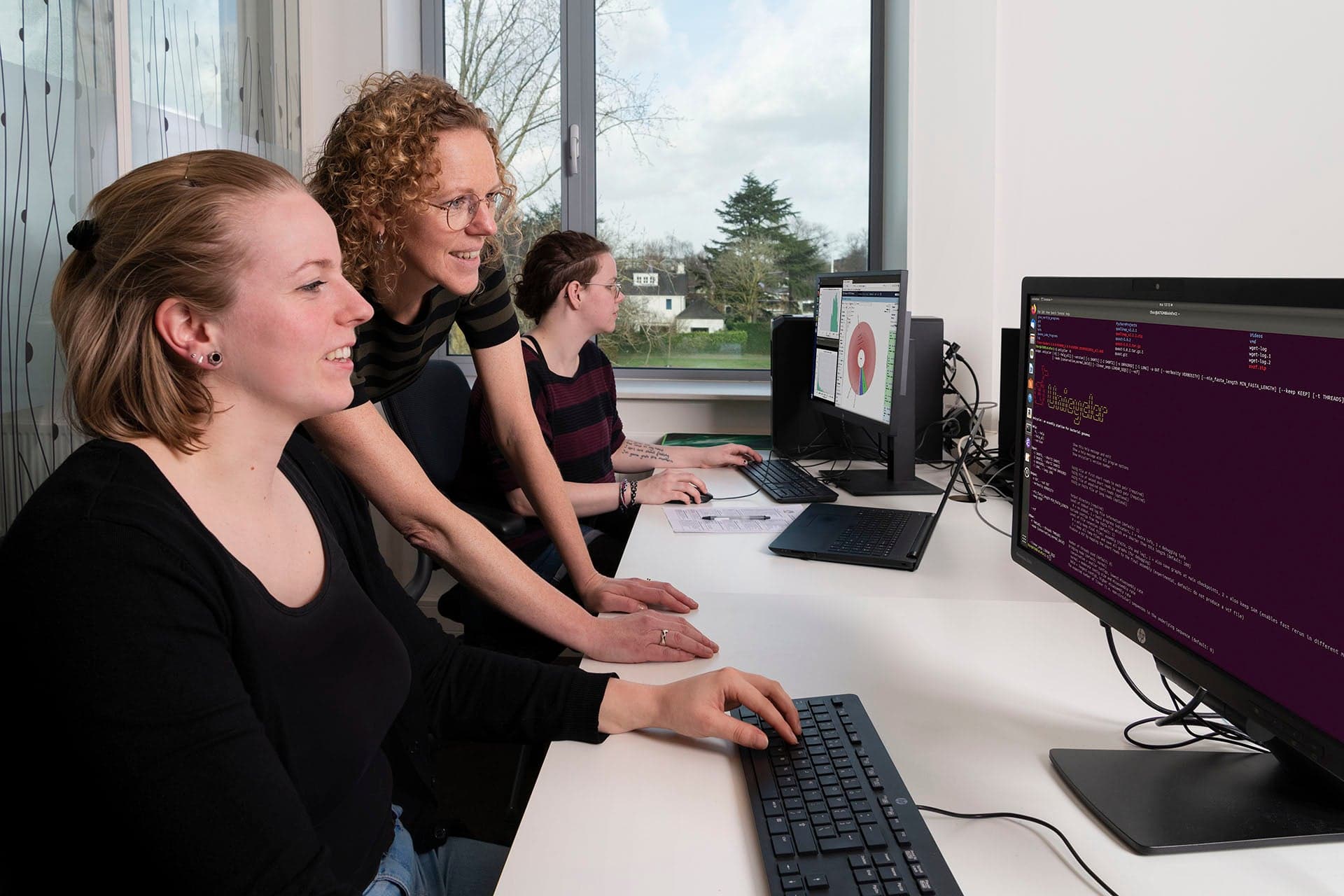
In order to do so, you have to be able to analyse data, using statistics and geographical information systems (GIS). You learn to understand energy systems as an essential part of understanding the problems and to assess the possible solutions.
Another aspect to finding solutions is being aware of the how to bring about actual transitions and create impact with your work. Subjects like change making, impact creation, reporting directives, ethics, critical thinking, stakeholder management etc. will be part of this.
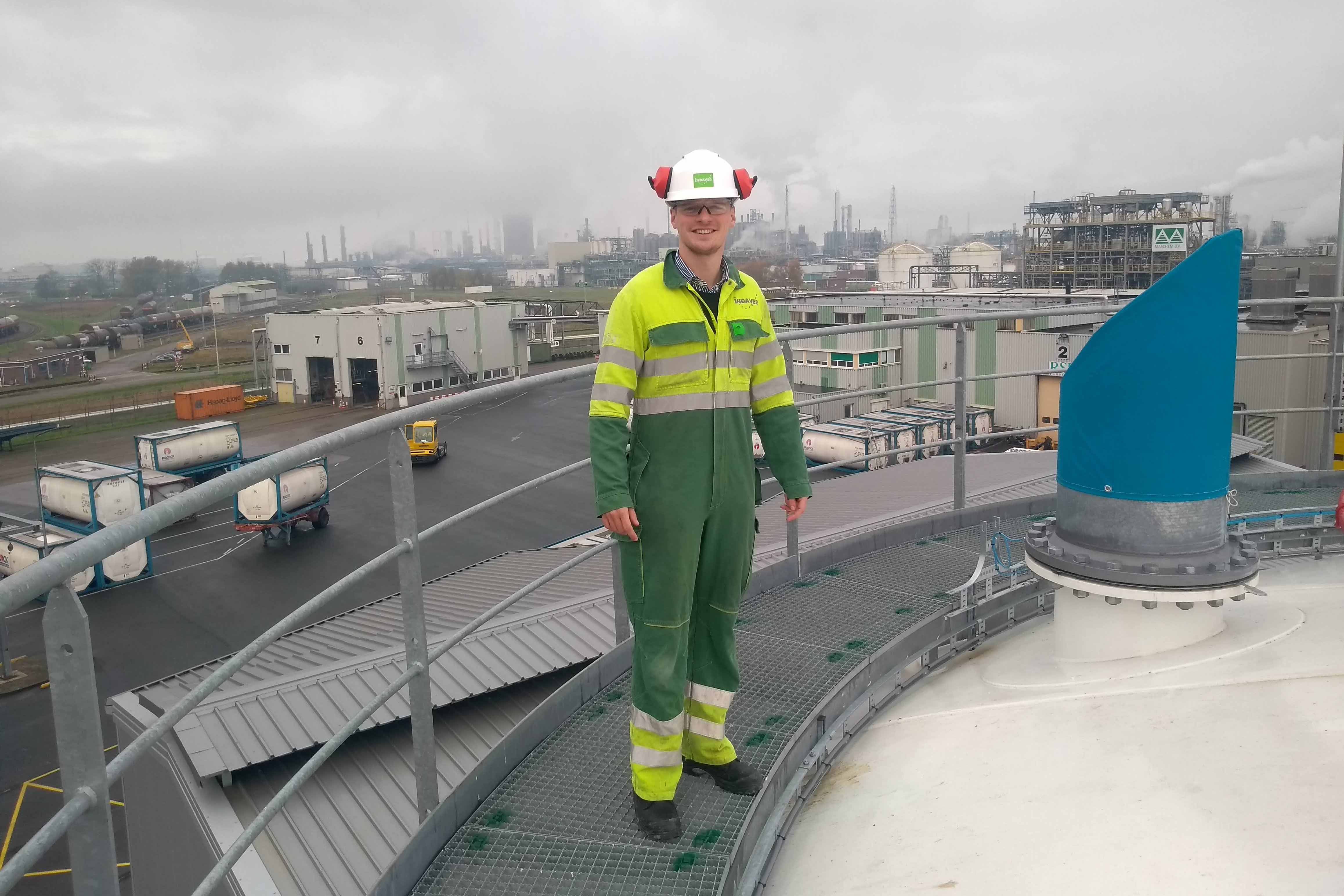
All the things you learn here, you apply in in a client project. In a small student group, you are responsible for finding a solution to a problem related to sustainable technology or energy transition. You are in the lead with regards to client communication, identifying the problem, finding solutions, applying the right decisions tools, modelling measures, visualising problems and solutions etc., resulting in a product as specified by the client.
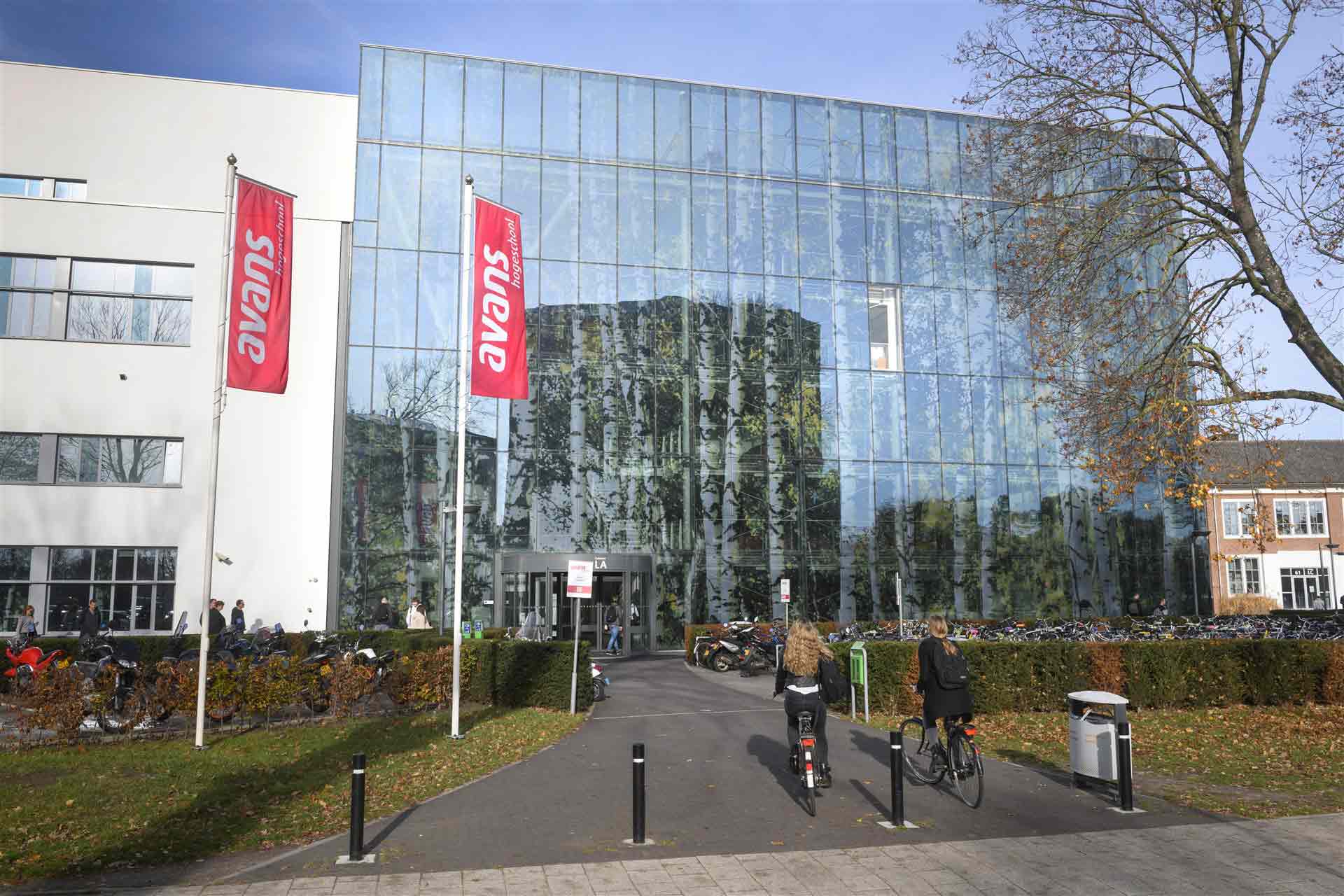
Lovensdijkstraat 61-63
4818 AJ Breda
Tel: +31 88 - 525 75 00
The programme consists of the following subjects:
| Data analysis and visualisation - Statistic data analysis with R | 3 ECTS |
|---|---|
Data analysis and visualisation - Spatial data analysis with GIS | 3 ECTS |
Sustainable technology | 9 ECTS |
System change for sustainability - changemakers | 3 ECTS |
System change for sustainability – strategies for impact | 3 ECTS |
Project sustainable technology | 9 ECTS |
The assessments consist of assignments, presentations, written exams and oral assessments, client product, reports, and portfolios. Active participation and contribution are also assessed. Some parts are assessed in a group; some parts are assessed individually.
More information about the programme is available via info.alst@avans.nl or +31 (0)88 - 525 87 88.
You should have finished at least two years of higher education (at least NLQF 5) within a natural sciences programme with a solid basic knowledge of biology, mathematics/statistics and chemistry. Some knowledge about ecology, biodiversity and soil science is advisable, if you lack this you need to put effort in acquainting yourself with this during the programme.
English language requirements for non-EEA students: IELTS overall 6, TOEFL 550.
Contact information for your (online) learning agreement:
exchange.alst@avans.nl
Contact person: Thaïsa de Leij
You can participate in an exchange programme at Avans University of Applied Sciences if your home institution has concluded an agreement with Avans. Under this agreement you can be nominated to study with us.
Please read the details on the or contact your home institution's exchange coordinator for details. Alternatively, you can .
As an exchange student, you will continue to pay tuition fees to your home institution. This means you do not have to pay tuition fees to Avans.
If your university is not a partner of Avans University of Applied Sciences, you can join us as a full-fee paying student. For more details, please contact the Avans International Office on +31 88 - 525 80 01 or at internationaloffice@avans.nl.