Location
Den Bosch

In the minor Making Local Impact in Global Issues, you will learn how to set up and lead local initiatives, working towards sustainable change for people who are affected by complex, global issues, such as polarisation, migration, climate change, or conflict.
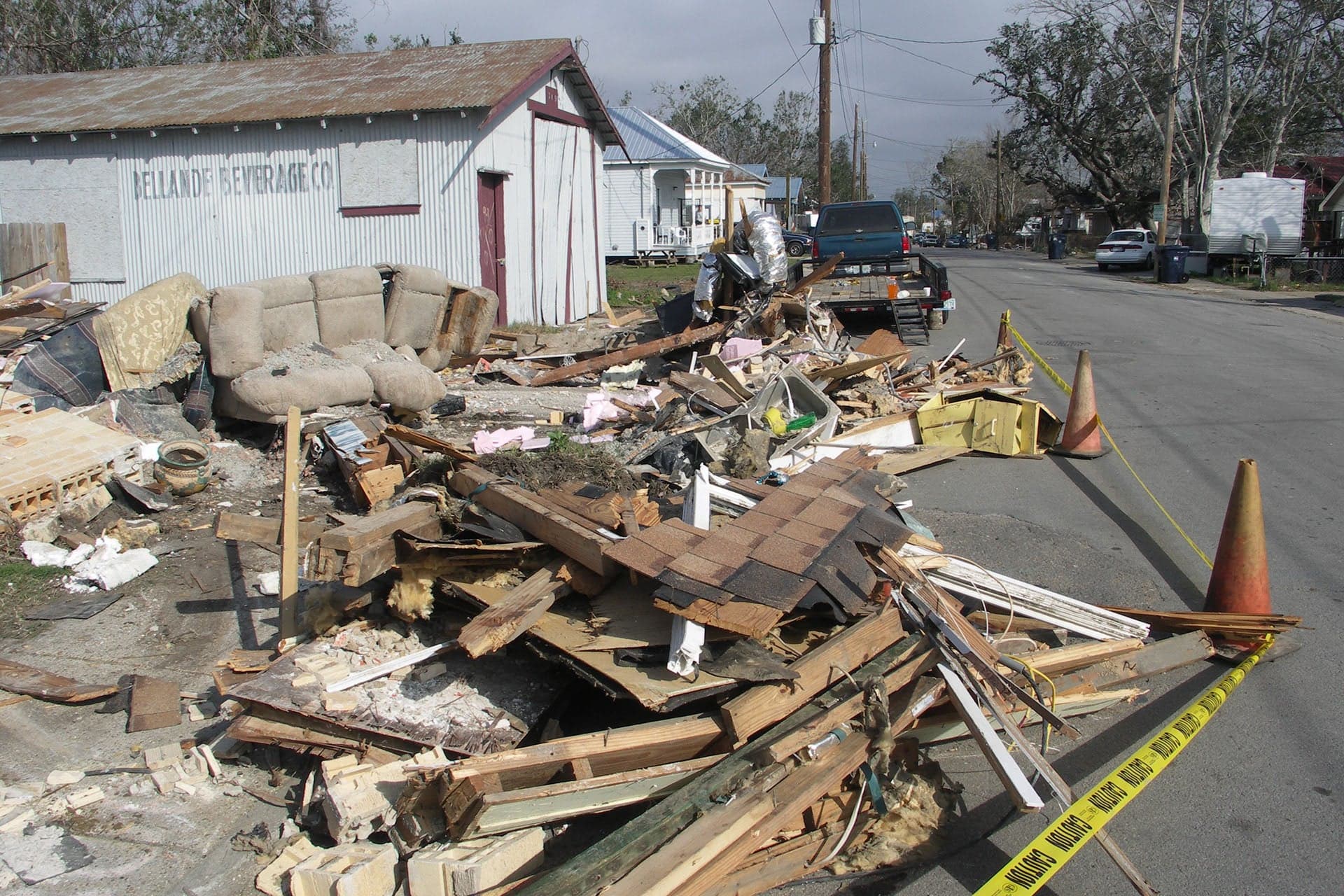
Climate change, conflict, global pandemics, migration questions and social polarisation: sometimes it feels like these issues have become too big for us to handle. Making change on a global level requires massive coordination and willpower from many different actors, which makes individual efforts seem pointless. However, when we come together and unite forces, we can make a difference. We see local grassroots groups and initiatives having an effect. Individual activists and innovative coalitions are improving the lives of communities despite the big challenges of this century.
In the minor Making Local Impact in Global Issues, you will learn about how to set up and lead local initiatives, working towards sustainable change for people who are affected by complex, global issues. Students are encouraged to draw on their own study background knowledge and collaborate with students from other disciplines when approaching these challenges. Because in our view, leadership doesn’t have to imply speaking at the United Nations or becoming the director-general of Greenpeace. We are looking at leadership that has local – but real - impact.
After this minor you could continue your development towards working with (international) NGOs, government jobs tackling complex issues, crisis-management, or community building.
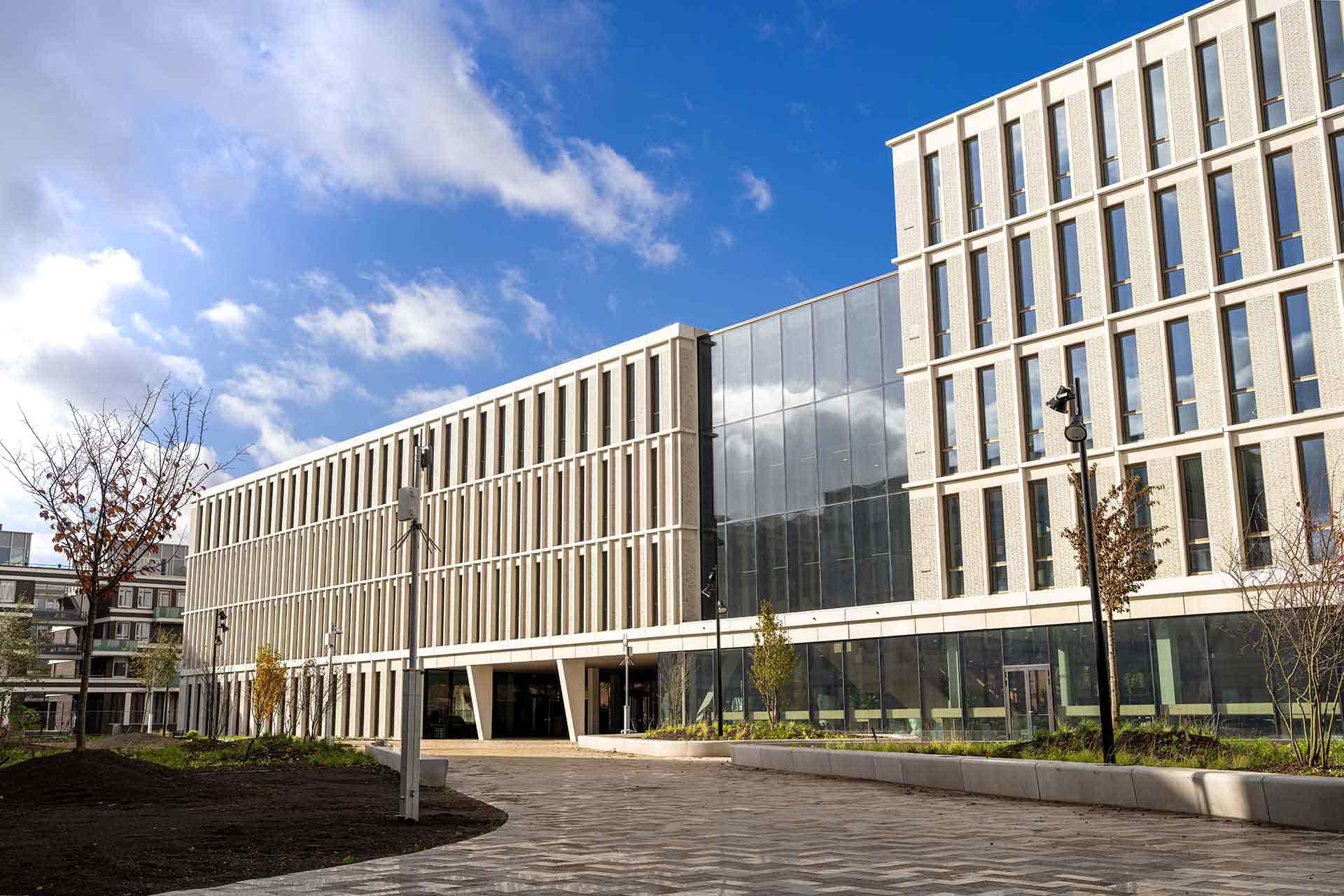
Onderwijsboulevard 300
5223 DJ Den Bosch
Tel: +31 88 - 525 75 00
During 20 weeks, you will work on three different learning outcomes:
You create an insightful overview of a complex global issue using system thinking that can be used to understand the intricacies of the problem and the way different parts of the system interact with each other and with the problem at hand.
You create and possibly execute a plan to help local communities to deal with the outcomes of this complex global issue manifested on local or regional level. This plan will be inspired by profound knowledge of the different people affected by these outcomes and the relationship between these people and system-actors, like governments or other organizations with power towards the global issue.
Activities include:
In groups you will create a systems analysis of the global issue of your choice. You identify causes, effects, key actors and systems parameters that have strong relationships towards the manifestations of the problem in the local community. Based on this analysis you will gather grassroots information about key partners, and affected groups of people by conducting interviews, meeting people during volunteer work or at community events. You will then use this information to create an image of how people are affected and what these affected people want, need or feel towards the issue.
You expand your knowledge about resilient communities, leadership and activism through experience-based learning. By contacting local organisations and leaders, analysing successful factors for change, you will experience how local communities behave as change agents.
Activities include:
You will join excursions to organisations that have different approaches to solving global issues, in the Netherlands and abroad. You will do volunteer work for organisations, you will join activism activities or interview leaders for change about their role.
You create an image of your own competences and skillset including intercultural awareness and compare this to role models. This leads to a number of personal development goals that you will work on during the minor program.
Activities include:
You will identify role models, close by or further away, like local community leaders, polticians, or researchers that are actively communicating or building communities around their subject and use intercultural compentences to do so. You will get to know these role models better in order to find out what they do so well, and what you still need to learn to be able to act similarly in complex contexts. You then create concrete learning experiences for yourself and execute them. Think about organising a grassroots event, participating in a protest march for a good cause, or starting a social media campaign about a global issue you’re concerned about, etc.
More information about this programme is available from the School of the Sustainable Built Environment. Please contact the programme coordinators for course information.
This programme is open to you if you are studying EQF/NLQF level 6. Students should be able to follow classes, present and submit their work in English and be able to work in an international group of students/researchers.
A background is recommended in any discipline related to risk management, urbanisation challenges, engineering, planning, risk analysis, migration or climate change. We welcome students from all different backgrounds. Students from outside the Netherlands are strongly invited to participate as their perspective is of important added value for the discussions in class.
Please note that we organise several study trips and excursions to national and international destinations. We expect that you will need about €400,- in total to cover the expenses for these trips.
You can send your learning agreement to exchange.ambf@avans.nl or +31 88 – 525 6120.
In the minor Making Local Impact in Global Issues, you will learn how to set up and lead local initiatives, working towards sustainable change for people who are affected by complex, global issues, such as polarization, migration, climate change, or conflict. After this minor you could continue your development towards working with (international) NGOs, government jobs tackling complex issues, crisis-management, or community building.
You can participate in an exchange programme at Avans University of Applied Sciences if your home institution has concluded an agreement with Avans. Under this agreement you can be nominated to study with us.
Please read the details on the or contact your home institution's exchange coordinator for details. Alternatively, you can .
As an exchange student, you will continue to pay tuition fees to your home institution. This means you do not have to pay tuition fees to Avans.
If your university is not a partner of Avans University of Applied Sciences, you can join us as a full-fee paying student. For more details, please contact the Avans International Office on +31 88 - 525 80 01 or at internationaloffice@avans.nl.