Location
Breda

Are you interested in experiencing what it would be like to advise clients in the field of innovation and urban renewal? Then choose the Urban Innovation minor.
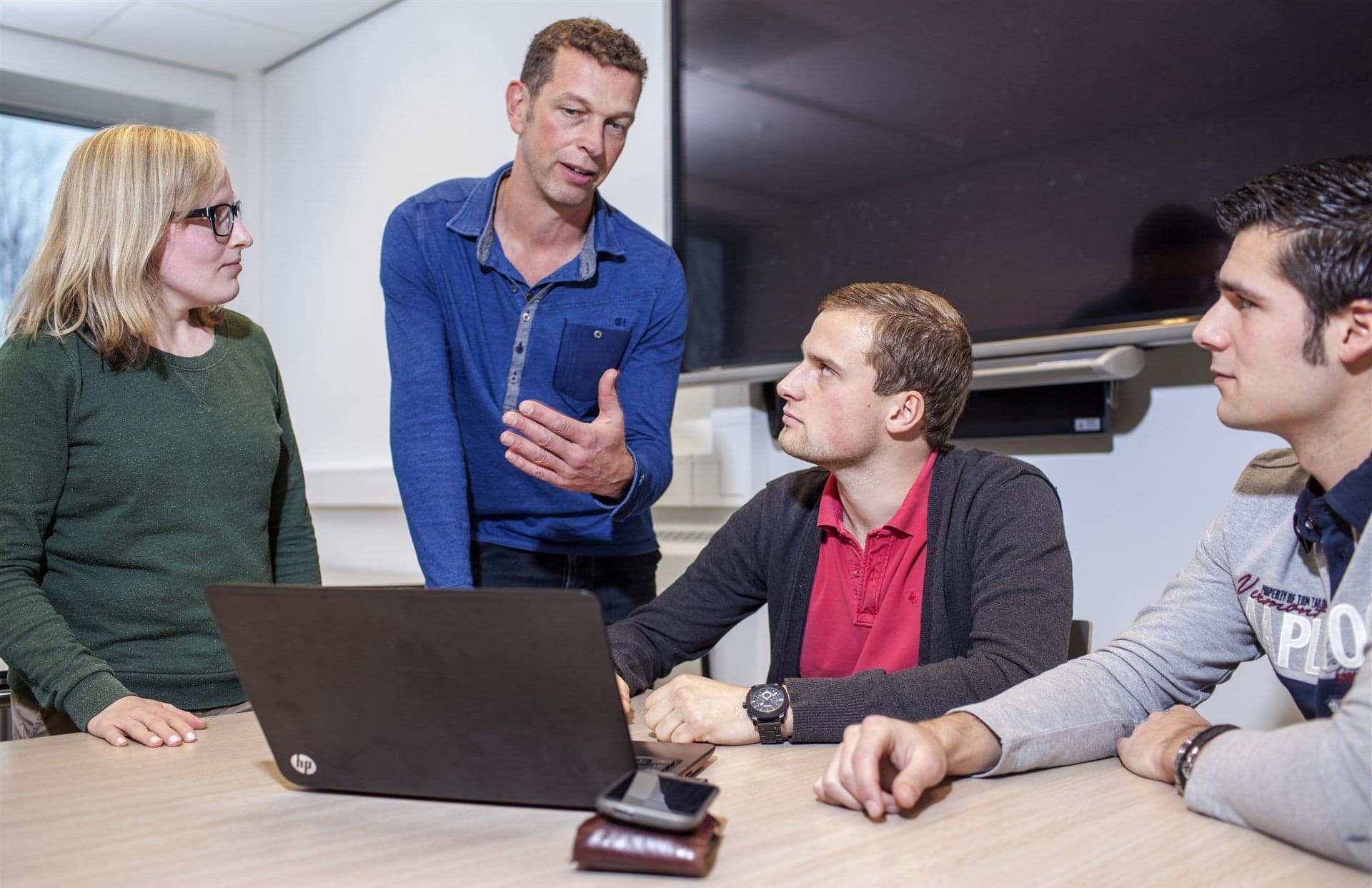
As an Urban Innovation Consultant, you will be solving issues in a multidisciplinary team with the goal of making cities inclusive, smart, resilient and sustainable.
As a Junior Urban Innovation Consultant, you will discover what it is like to work in a multidisciplinary team with students from different study programmes on an assignment from an external client. Examples of clients include companies, institutions and even government bodies.
Each junior consultant brings their unique perspective to an issue based on their own area of expertise and together you will come up with innovative solutions, supervised by an Avans teacher, lecturer-researcher or senior consultant. The 21st Century Urban Innovation minor is a collaboration between the Avans Expertise Centre for Technical Innovation and the Urban Living Lab Breda.

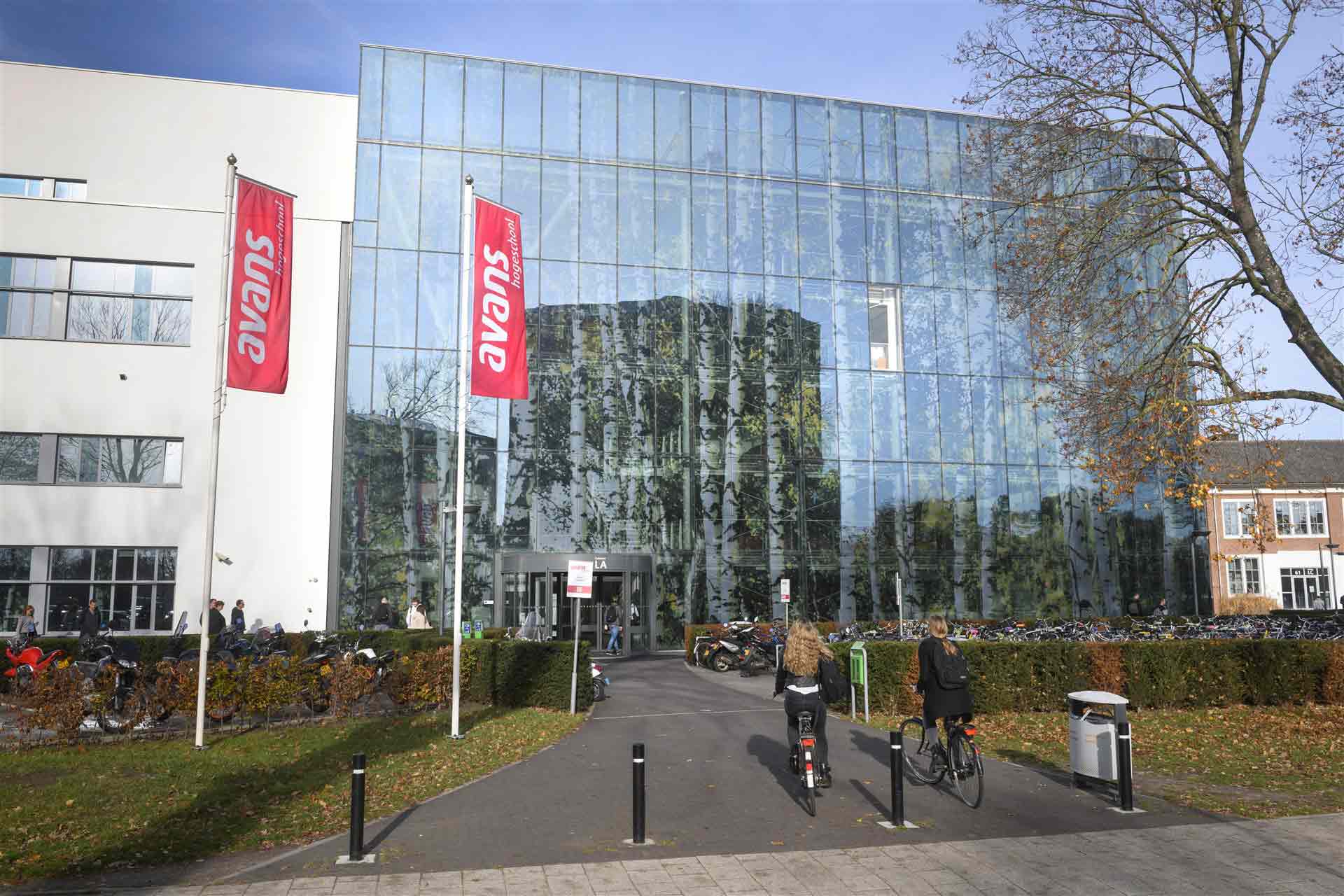
Lovensdijkstraat 61-63
4818 AJ Breda
Tel: +31 88 - 525 75 00

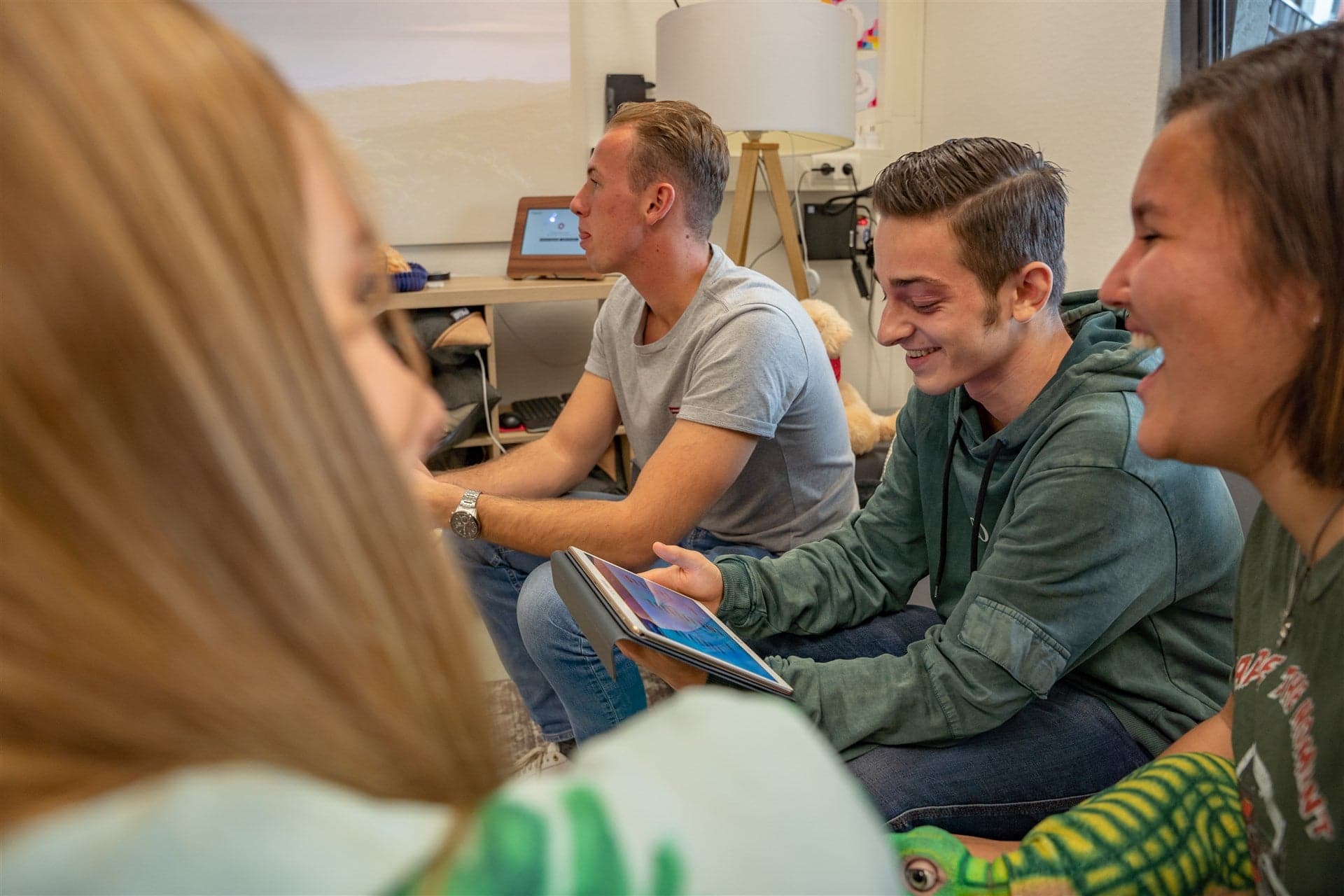
The 21st Century Urban Innovation minor spans 20 weeks. You will be placed in a team with several other students to work on a shared assignment. As a specialist in your field, you are expected to contribute your specific know-how and put your skills to work.
For 2 scheduled days a week, you will be working from the Urban Living Lab right in the centre of Breda and 1 day a week will be spent with your team on location with the client. These dates are always planned in coordination with the client. The other 2 days will be spent on developing various competencies. In addition, you will stay in touch with fellow students and teachers for the duration of the minor via your own Virtual Learning Community.
Approximately 20 hours a week will be spent on your group assignment for a period of. As a team you will be giving joint advice but you will also offer advice on an individual basis based on your area of expertise (this takes approximately 80 hours).
The minor focuses on themes such as:
The Expertise Centre for Technical Innovation uses its technical expertise to look at the city as a "system" of "systems" that manages various resources, such as material, energy and digital data flow. We will examine ways of improving the management, creation and use of these resources.
The ultimate goal is to make the city a fully circular system. To this end, the city itself must be as maintainable, repairable and adaptable as possible. It must also be able to create and recycle its resources locally, with targeted use of energy and logistics. This is an enormous challenge that requires small steps. In practice, this starts with small initiatives, such as a house that is designed to adapt to the resident’s needs or an automated vegetable garden in order to prevent or limit unnecessary maintenance.
Examples of projects include:
The most important word for this theme is "balance". A liveable environment certainly does not always result in a win / win situation, but is constantly evolving. Increased liveability for humans often comes at the expense of natural resources. The costs incurred for (improved) care will have to be paid by the community. Robots that take over heavy or tedious jobs from factory employees may increase efficiency but also come at the cost of redundancies. The vital city is therefore constantly weighing up options and optimising the use of technology. Ethics, acceptance and security are all themes that play a role here.
Examples of projects include:
The 21st Century Urban Innovation minor is taught at the Urban Living Lab in Breda. The programme’s lecturers will act as senior consultants who will help you as junior consultants to achieve results. As part of this process, you will listen to campfire stories, take part in training sessions and take courses concerning the research approach, project implementation and applied knowledge related to the professional context. We use the Virtual Action Learning Method.
Various guest speakers, such as consultants and other professionals in the fields of research, personal development and more, will provide the necessary expertise. You will gain experience in:
You will also work on various learning assignments to help you develop the 5 competencies that are central to the minor. Each competence is developed in one or more components of knowledge, skills and attitude aspects.
| Competence | Form | ECTS credits |
|---|---|---|
1. Apply multidisciplinary expertise, both independently and for the purpose of collaboration and integration | Assessment | 6 |
2. Apply research methods | Assessment | 6 |
3. Analyse specific problems in professional practice | Assessment | 6 |
4. Manage a consulting process | Assessment | 6 |
5. Direct the development of his or her skills, knowledge and attitude | Assessment | 6 |
The competencies above are based on the Dublin descriptors – the standard used at European level – as well as the Dutch higher professional education standard, the ‘HBO standaard’.
At the end, the student must provide evidence to the assessors which level of the competences they have achieved. Each competence is devided in 7 levels. Evidence must be collected from the individual project, the group project, the office days and the learning assignments.
By studying a problem and finding solutions using an interdisciplinary approach that involves a variety of disciplines, you learn to develop innovative ideas as part of a team. The skills you acquire as a team member on this project are vital to your future role as a consultant.
The steps involved in your team project are set out below. During each step, you will focus on obtaining the specific competencies required for the successful completion of the project.
You can apply the knowledge you acquire during the 21st Century Urban Innovation minor immediately for the completion of your graduation project.
After successfully completing this programme, you will be able to:
Upon graduation, you will also be able to apply the skills acquired during the programme in a future role as manager or innovation consultant. As the Netherlands has the highest number of consultancy jobs in Europe, the career prospects in this country are good if your goal is a career in consultancy.
More information about this programme is available at the Avans School of Technology and Innovation x via minoren.atix@avans.nl.
This programme is open to students from all disciplines. You may enrol if you have:
You are expected to demonstrate strong skills and be highly motivated. To make sure you are aware what this programme demands, you will be invited to a personal intake interview.
Learning agreements can be sent to:
minoren.atix@avans.nl
+31 88 - 525 6915
You can participate in an exchange programme at Avans University of Applied Sciences if your home institution has concluded an agreement with Avans. Under this agreement you can be nominated to study with us.
Please read the details on the or contact your home institution's exchange coordinator for details. Alternatively, you can .
As an exchange student, you will continue to pay tuition fees to your home institution. This means you do not have to pay tuition fees to Avans.
If your university is not a partner of Avans University of Applied Sciences, you can join us as a full-fee paying student. For more details, please contact the Avans International Office on +31 88 - 525 80 01 or at internationaloffice@avans.nl.