Location
Den Bosch

Less is more: Fashion Re-invented is a transdisciplinary exchange programme in 2 modules of 15 ECTS for students with an international mindset who want to re-invent fashion, consumption and business in a rapidly changing world facing ecological and social limits.
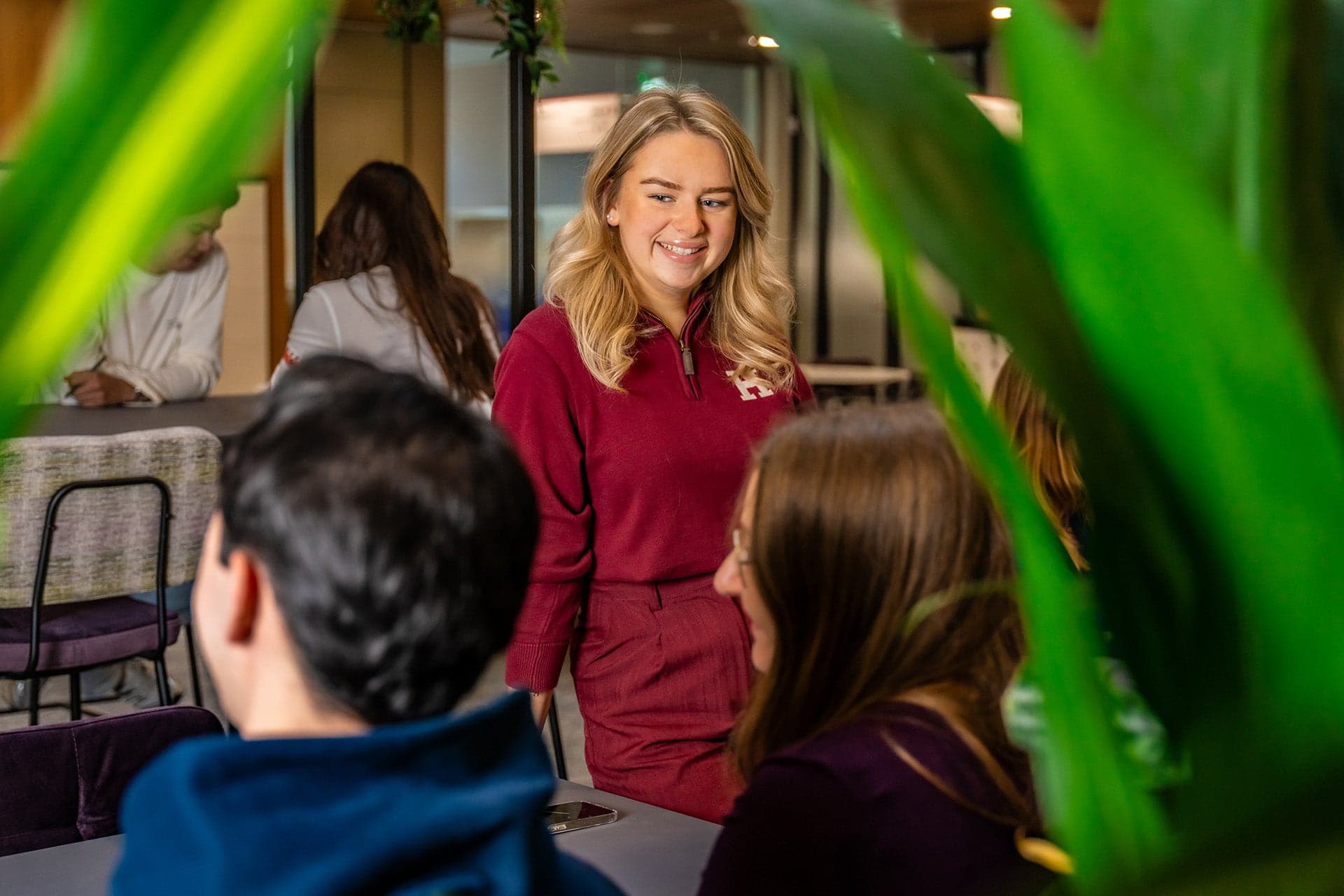
Are you curious about how overproduction and overconsumption shape our societies? Do you want to explore how fashion, storytelling, design and business models can contribute to systemic change? And do you want to work creatively with students from different disciplines and cultural backgrounds?
Whatever your future career, whether in business, sustainability, design, media, or innovation, you will be increasingly expected to understand complex systems, collaborate with diverse stakeholders, and act as an agent of change. This module helps you develop exactly those skills.
The textile and fashion industry is a powerful example of a system under pressure. In this module, you critically explore how current production and consumption patterns are symptoms of deeper social, cultural, and economic dynamics. Using systemic thinking, future thinking, and speculative design, you investigate alternative futures and imagine new ways of organizing fashion, value creation, and consumption.
You work in transdisciplinary teams with members from various backgrounds and collaborate with external stakeholders from research and business. You will learn to integrate different perspectives into meaningful outcomes. Storytelling, visual media, and design are used not only to create concepts, but also as research and reflection tools.
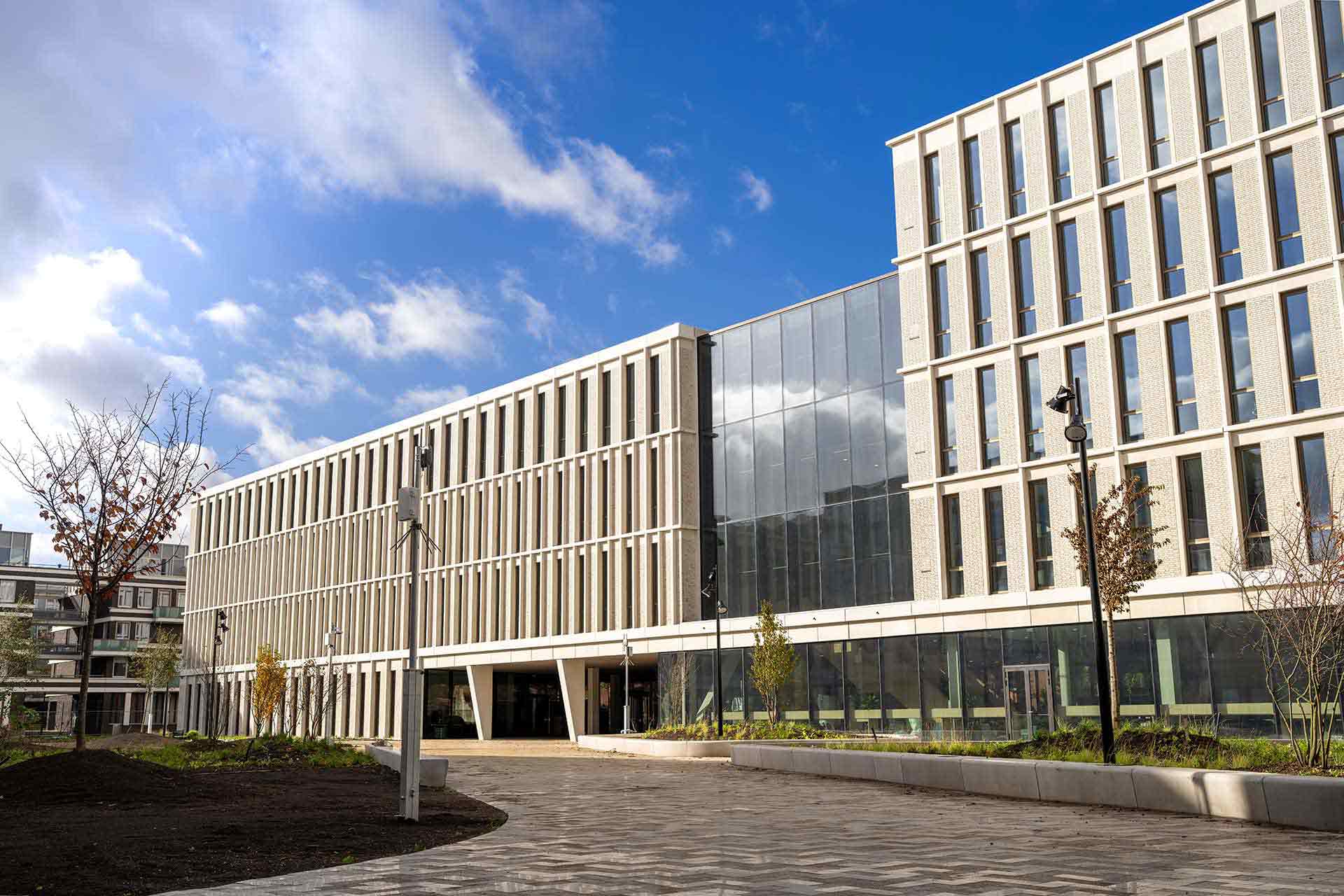
Onderwijsboulevard 300
5223 DJ Den Bosch
Tel: +31 88 - 525 75 00

In this elective module you will learn more about:
The module consists of two closely connected modules, each focusing on a different phase of the learning journey: exploration and imagination by systemic investigation, followed by concept development and implementation to createan integrative intervention.
In the first module, the focus is on understanding and questioning the current system of fashion and consumption. Through theory, documentaries, guest lectures, field visits, and creative research assignments, you explore overproduction and overconsumption as symptoms of deeper systemic dynamics.
You learn to work with frameworks such as systemic thinking, future scenarios, and narrative analysis. Together with a transdisciplinary team and external stakeholders, you translate your insights into a speculative visual narrative—for example a short film, photo-based story, or multimedia project.
Learning by doing is central: you experiment, reflect, and co-create. The module concludes with a Future Thinking Film Festival, where your team presents its work to a wider audience.
In the second module, the emphasis shifts from exploration to action and design. Building on the future scenarios and narratives developed in Module 1, you co-create a concrete concept or intervention that addresses systemic challenges in the textile sector.
You work on concept development, speculative and sustainable business models, narrative persuasion, and sufficiency-based design. Creative storytelling is combined with a realistic business and impact layer, addressing viability, ethics, and scalability.
The outcomes of this module are presented in a Fashion Week–style showcase, where your work is exhibited as a prototype, service, business concept or experiential installation.
Throughout both modules, you are part of a learning community in which reflection, dialogue, and feedback play a key role. You continuously reflect on your personal development, your collaboration within the team, and your role as a future professional within complex systems.
Assessment is based on:
By completing this module, you will gain:
More information about the programme is available via exchange.IB.denbosch@avans.nl or +31 (0)88 - 525 75 00.
As the program is of an advanced nature you are a year 3 or 4 student of higher education.
The minimum requirement for English is European Framework B2. The Language Proficiency Report must be preferably completed by an English Language lecturer and accompanied by the application form. . If you have any doubts, we offer you the option of having an interview to determine whether your level of spoken English is sufficient. The interview can be held via MS Teams.
Please note: there are a limited number of places available for this study program. You are advised to submit your application as early as possible as admissions will be granted on a first-come, first-served basis.
You can participate in an exchange programme at Avans University of Applied Sciences if your home institution has concluded an agreement with Avans. Under this agreement you can be nominated to study with us.
Please read the details on the or contact your home institution's exchange coordinator for details. Alternatively, you can .
As an exchange student, you will continue to pay tuition fees to your home institution. This means you do not have to pay tuition fees to Avans.
If your university is not a partner of Avans University of Applied Sciences, you can join us as a full-fee paying student. For more details, please contact the Avans International Office on +31 88 - 525 80 01 or at internationaloffice@avans.nl.