Location
Breda

Are you concerned about the ecological crisis and want to play an active role? In Material Ecologies, you’ll learn to understand, imagine, and address the ecological crisis through a combination of creativity, research, and practice, with materials as the central focus.
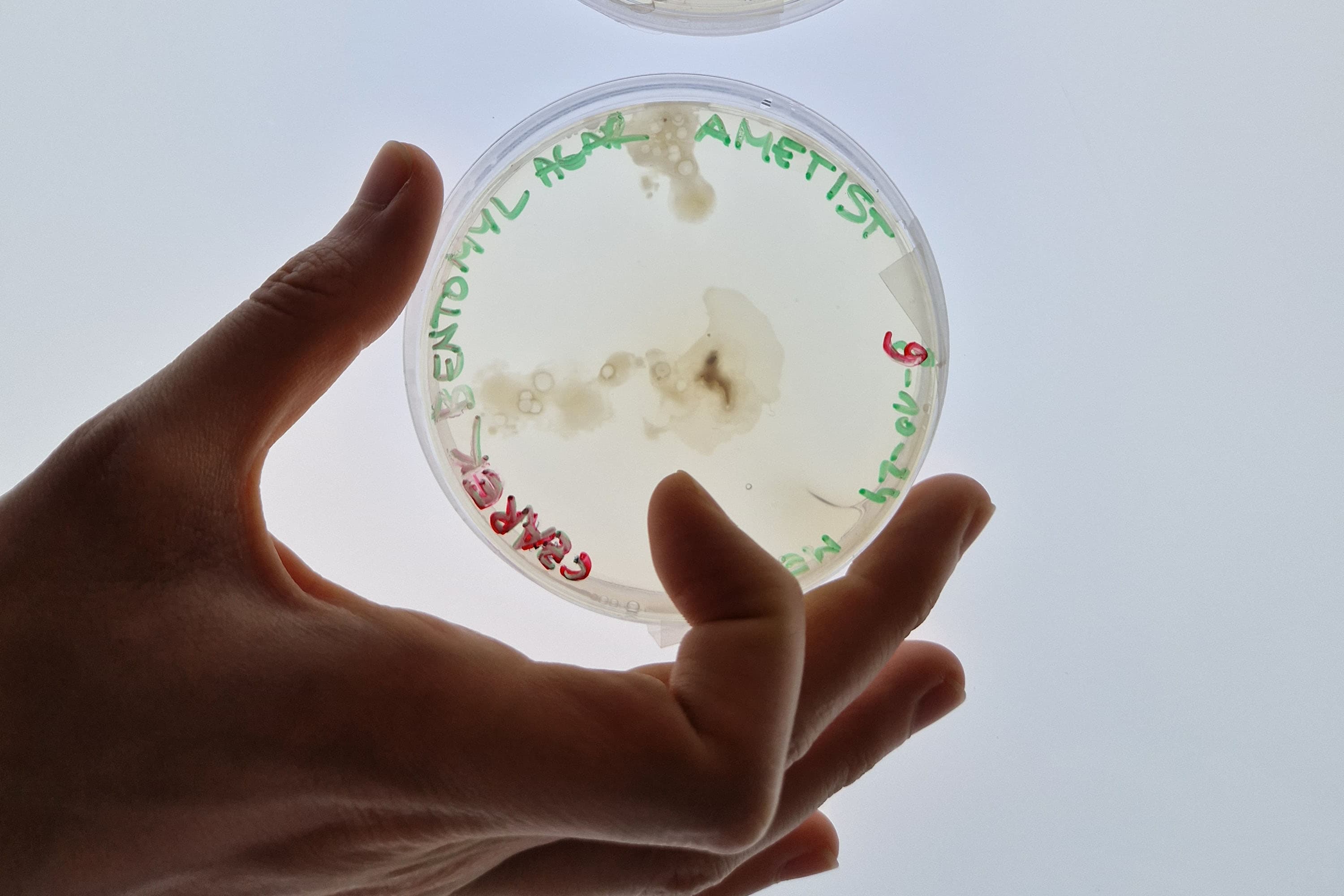
You will explore the material stories behind objects and artworks. Consider a wooden table: where does the wood come from? From the store to the sawmill, to the forest. Who cut down the tree, and who processed the wood? What were the ecological relationships surrounding that tree? How old was it, and what was the world like when it started growing? And: what happens to the table when it breaks—end of the story, or a new beginning?
In addition, you’ll examine broader ecological systems. How does your work impact human and non-human life? What new connections can you create between materials, technologies, and natural processes?
At Material Ecologies, you’ll work hands-on in workshops with materials like wood, clay, or textiles. In the biolab—Material Incubator, you’ll experiment with microorganisms. At the same time, we’ll ask critical questions: What do we consider to be a material? Are organisms like seaweed a material? Can digital data—the bits and bytes—also convey a material narrative? By observing, researching, and working with your hands, you’ll develop practical skills and translate your insights into compelling visual stories. The program emphasises collaboration with the field, as we believe shared knowledge and partnerships are key.
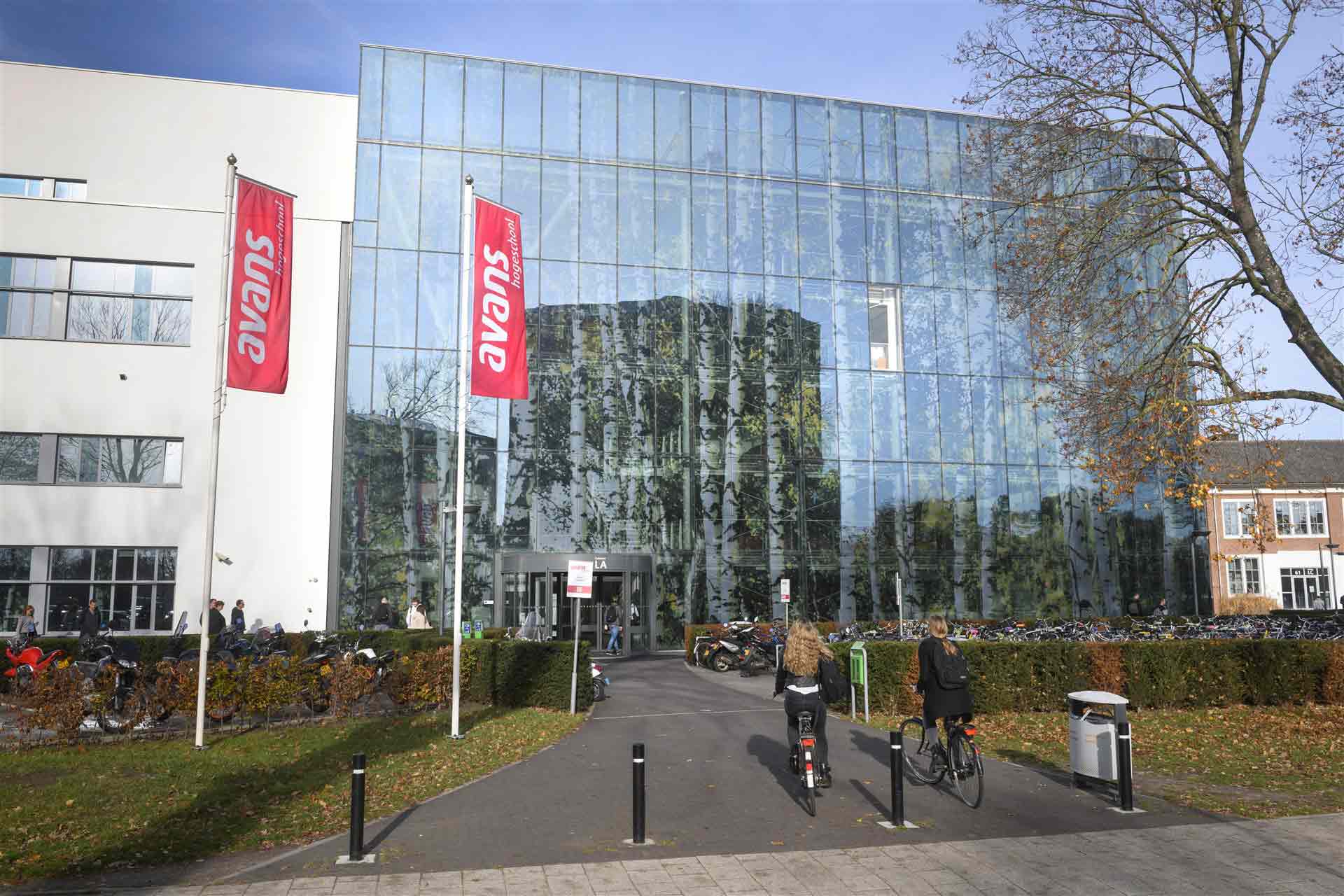
Lovensdijkstraat 61-63
4818 AJ Breda
Tel: +31 88 - 525 75 00
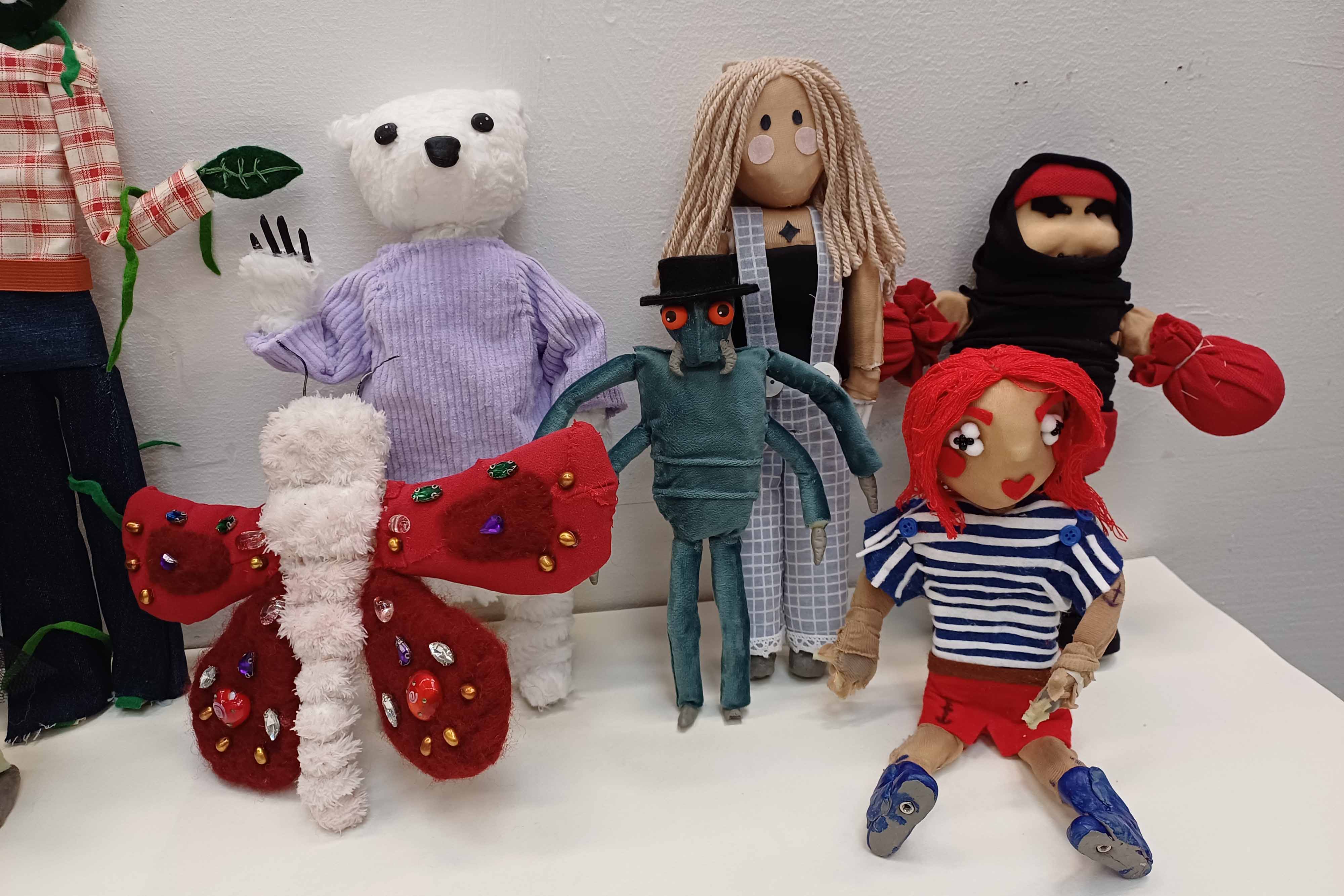
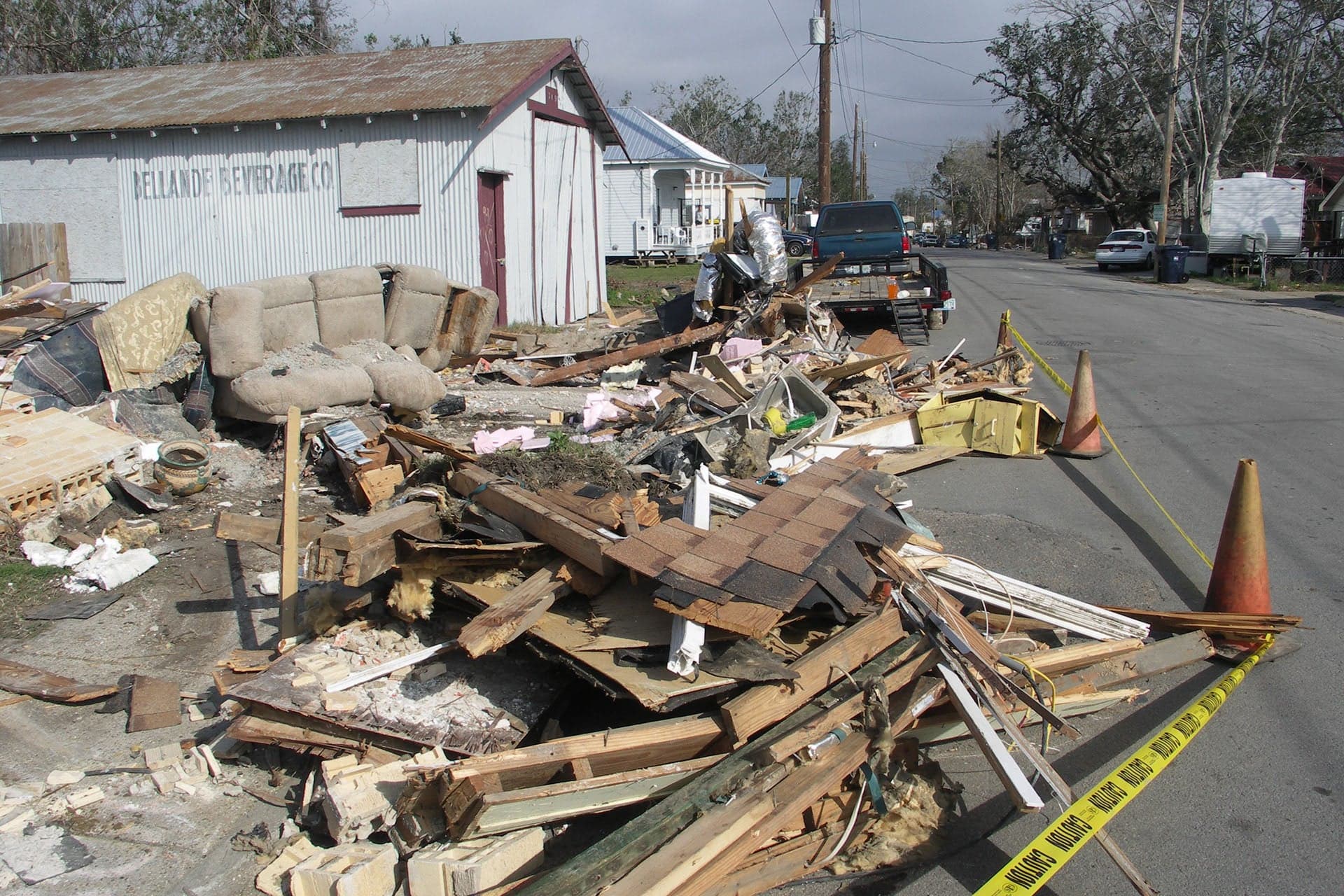
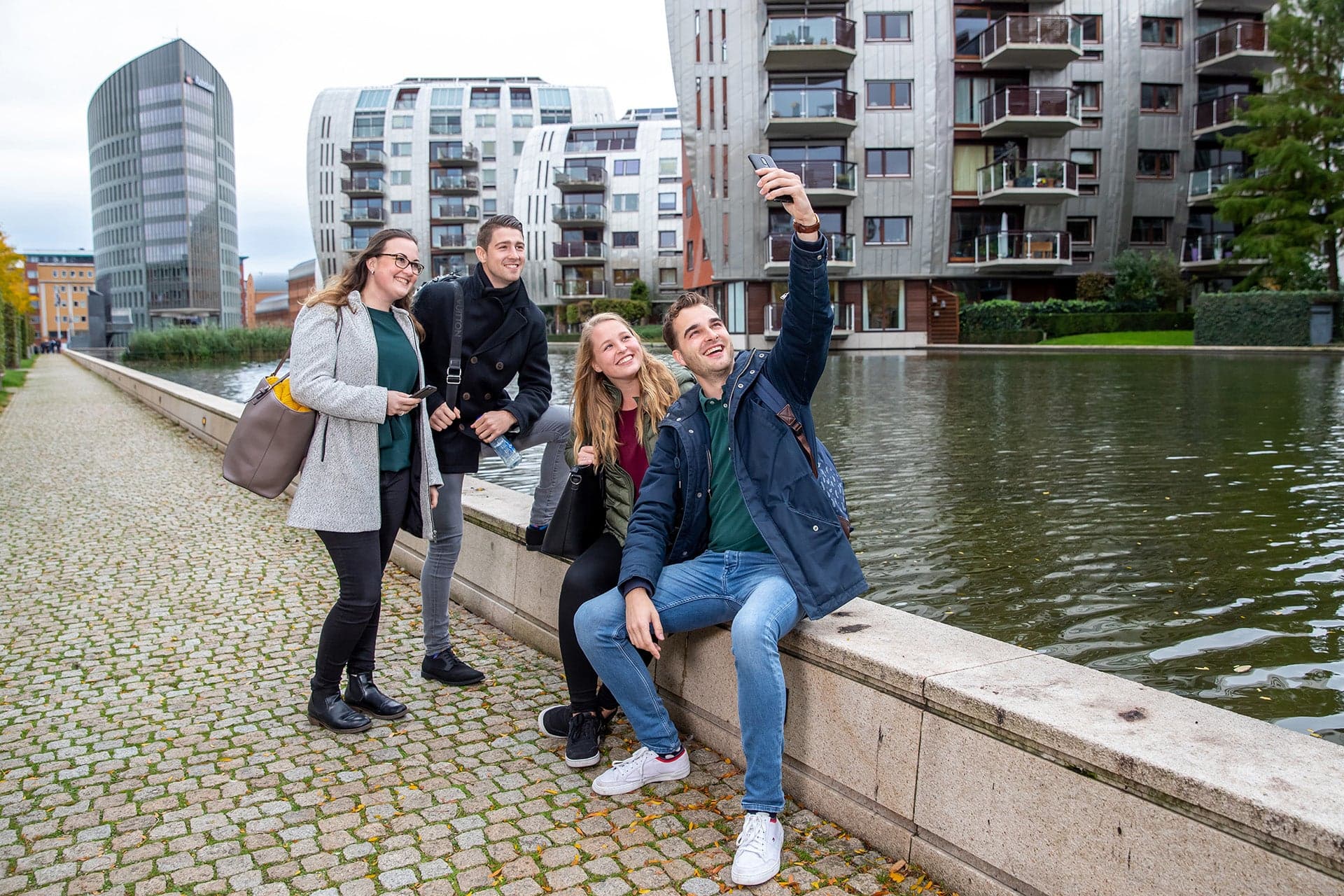
Within the minor, we collaborate intensively with professionals in the field, as we believe shared knowledge and partnerships contribute significantly. Over the past year, we have worked with researchers from Caradt, attended symposia at institutions such as Radius, the center for ecology and art in Delft, and visited the Textile Museum, the European Ceramic Work Centre (EKWC), and Het Nieuwe Instituut in Rotterdam.
Additionally, we participated in workshops led by experts. In Breda’s academy garden, we created masks from found materials under the guidance of minor tutor Annemarie Piscaer. Designer Simon Dogger, who uses his auditory and sensory perception as a blind creator, taught us to experience our material environments differently. Bio-artist Michaela Davidová introduced us to working in the Material Incubator lab with microorganisms.
In the lab, we studied our soil by developing Anthotype with Steffie de Gaetano and explored making photographic prints with alternative natural materials with Risk Hazekamp. At the Avans lab in Breda, Robert Knight conducted a workshop on combining PLA with textiles.
Finally, the students themselves contributed their expertise by teaching one another about moss and mycelium through field trips in the forest, working with seaweed, and making kombucha in the lab. They also taught each other skills such as weaving, knitting, and throwing clay on the wheel.
More information about the programme is available via exchange.stjoost@avans.nl or +31(0)88 – 525 76 16.
To join this programme, you do not need to take any admissions test. You are expected to bring a curious attitude.
Learning agreements can be sent to exchange.stjoost@avans.nl.
You can participate in an exchange programme at Avans University of Applied Sciences if your home institution has concluded an agreement with Avans. Under this agreement you can be nominated to study with us.
Please read the details on the or contact your home institution's exchange coordinator for details. Alternatively, you can .
As an exchange student, you will continue to pay tuition fees to your home institution. This means you do not have to pay tuition fees to Avans.
If your university is not a partner of Avans University of Applied Sciences, you can join us as a full-fee paying student. For more details, please contact the Avans International Office on +31 88 - 525 80 01 or at internationaloffice@avans.nl.